Physiotherapy
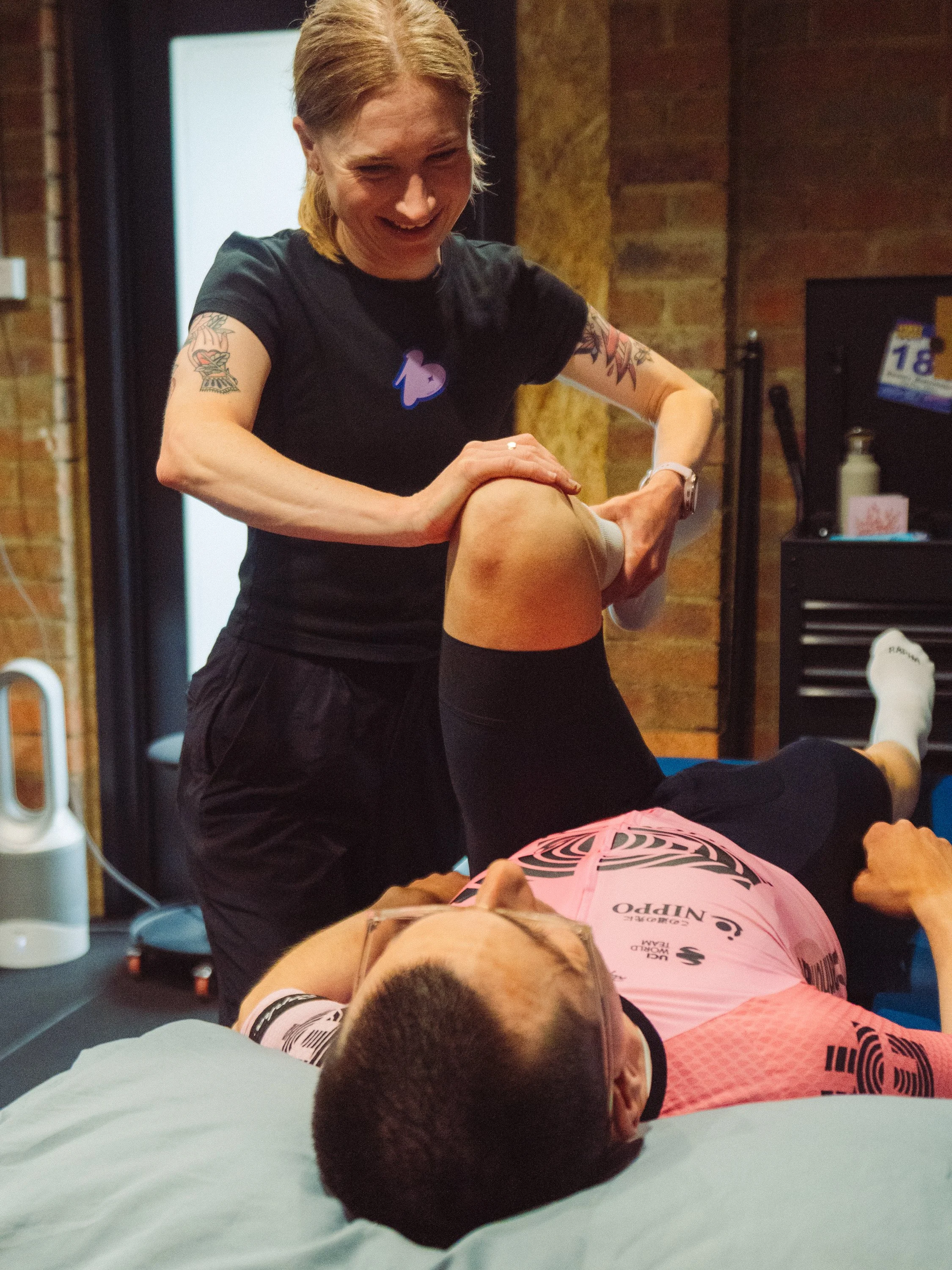
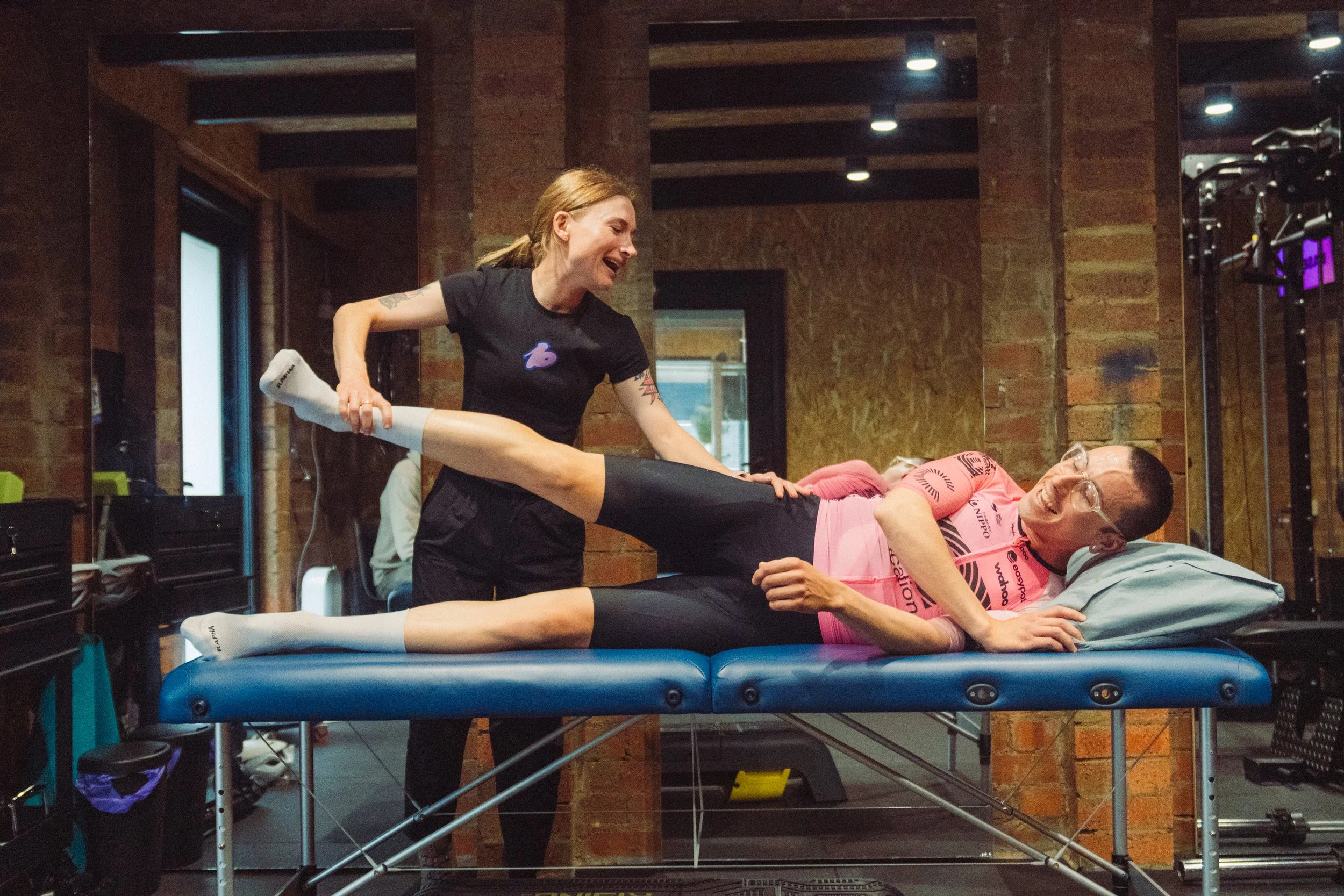
Physiotherapy at Baseline combines conversation, movement assessment, and practical treatment to understand what is happening in your body and how to move forward with confidence. Every appointment uses an evidence-based approach that blends subjective insight with objective testing to uncover the root cause of pain, injury, or performance limitations.
While cycling is at the heart of Baseline, treatment extends beyond the bike. We work with riders, runners, gym-goers, and active people who want practical support to manage pain, recover from injury, and build long-term resilience.
Our approach combines physiotherapy, strength and conditioning principles, movement assessment, and real-world sporting experience. Treatment is collaborative, educational, and tailored to the individual rather than following a one-size-fits-all approach.
Common conditions we treat include:
Knee pain in cyclists and runners
Neck and lower back pain
Hip and glute pain
ITB irritation and lateral knee pain
Achilles and calf injuries
Patellofemoral pain
Tendinopathies
Shoulder, wrist and hand discomfort on the bike
Postural and load-related pain
Strength deficits contributing to injury recurrence
Cycling-specific overuse injuries
Whether your goal is returning to riding after injury, preparing for an event, or simply feeling stronger in everyday life, Baseline aims to help you better understand your body and build confidence in movement again.
The Baseline Approach To Physiotherapy
We start with a conversation about your injury history, training load, and goals to understand the bigger picture behind what you’re experiencing.
❋ Understanding your story
Through detailed movement assessment, we look at strength, mobility, and movement patterns to identify the factors contributing to pain, dysfunction, or future injury risk.
❋ Movement investigation
Your experience and the objective findings are combined to understand the true driver of the issue.
❋ Connecting the dots
Hands-on treatment, strength work, and movement education are used to support injury recovery, injury prevention, and confident return to activity.
❋ Treatment and a plan
Practical physiotherapy for active humans.
-
01. Intake
Short online form covering your riding history, current pain, goals, and any bike issues. This is read it before you walk in so we're not asking you to repeat yourself.
-
02. Subjective
We begin by talking through your injury history, current symptoms, training load, and movement goals. This helps build context around the issue and understand when symptoms occur, what aggravates them, and what your body has been dealing with over time.
-
03. objective
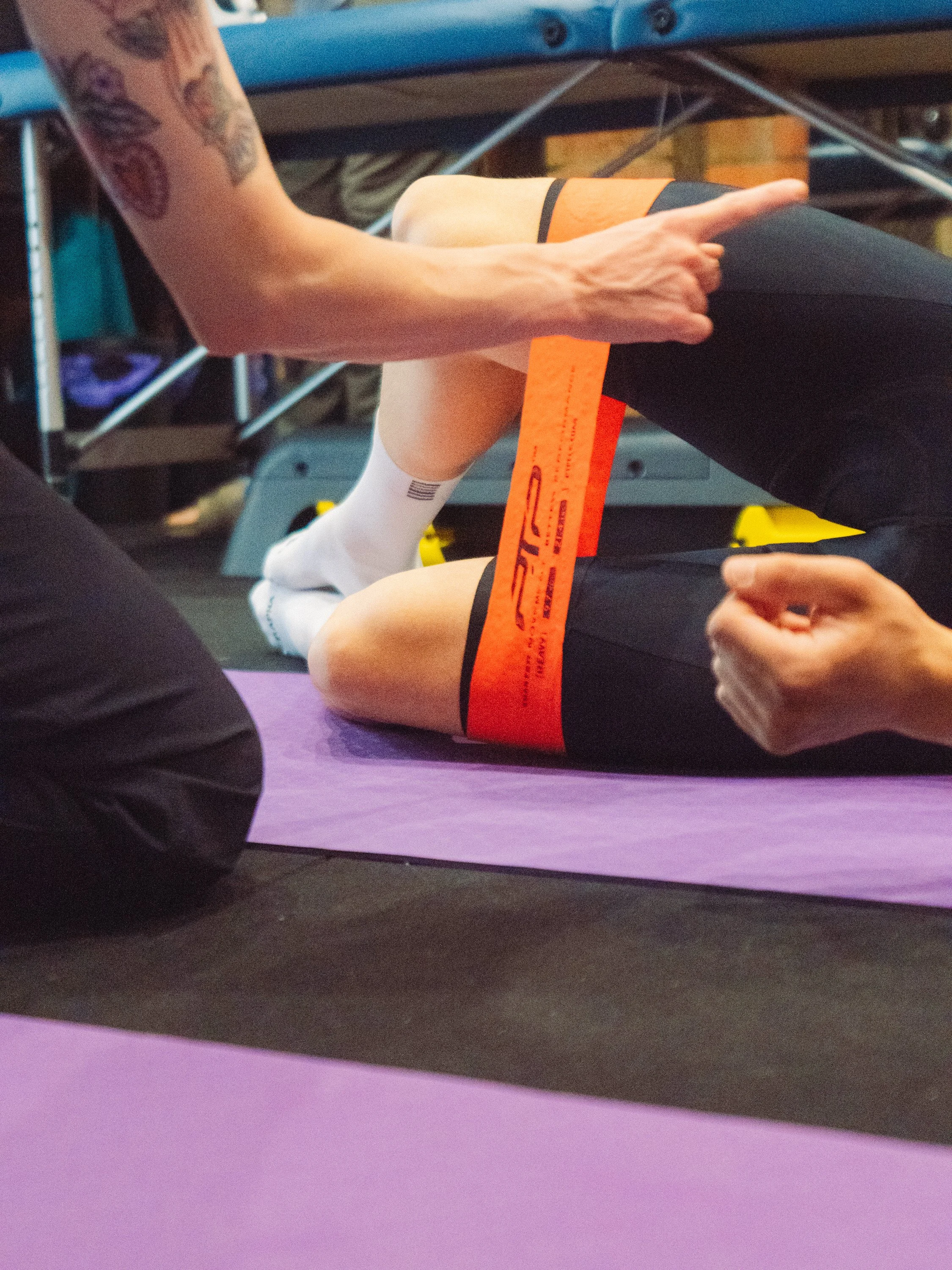
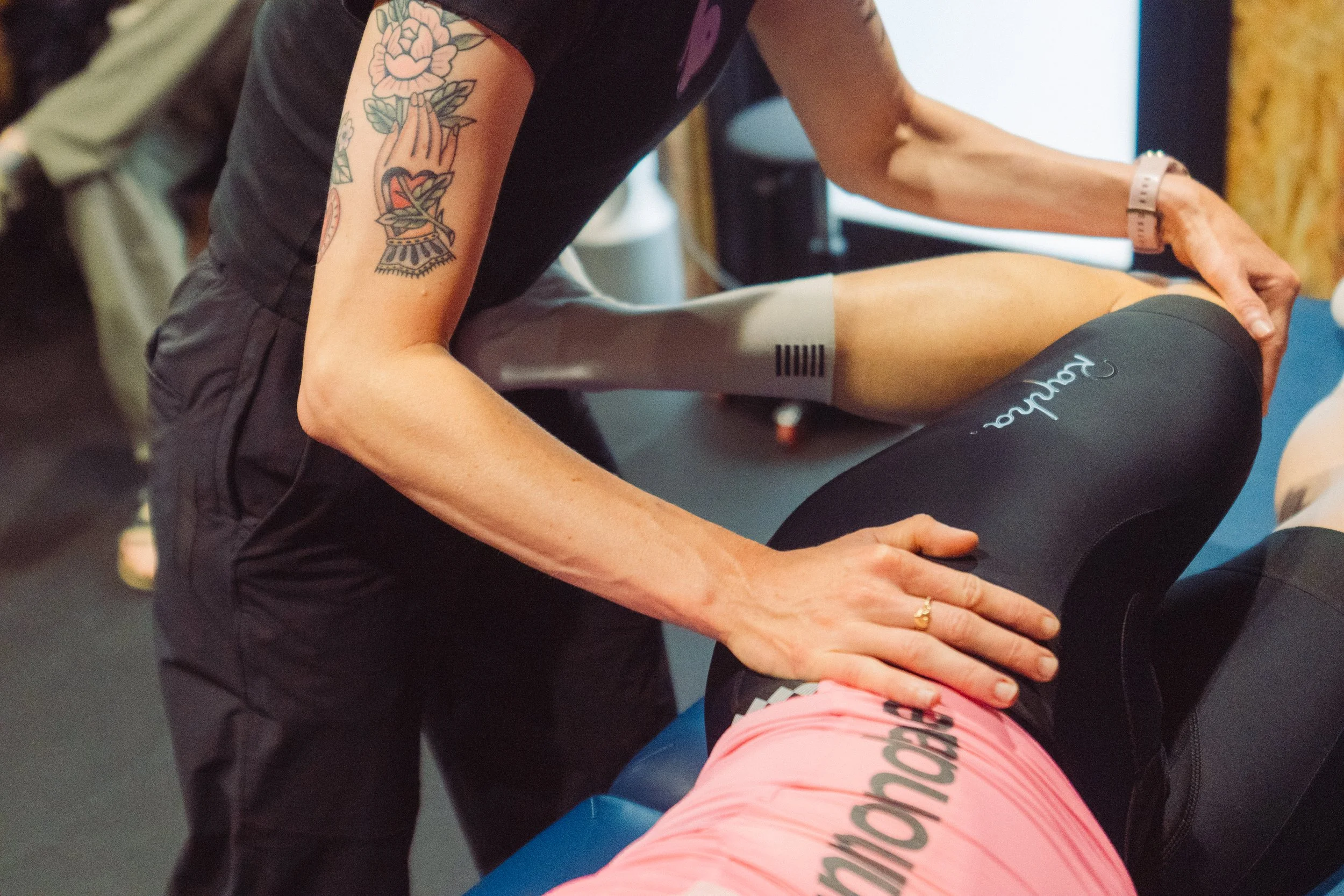
Next, we look at how your body moves. This may include testing mobility, strength, stability, and movement patterns. A thorough physiotherapy assessment helps identify the physical factors contributing to pain, injury risk, or limitations in performance.
-
04. treatment
Treatment may include hands-on therapy, mobility work, strength exercises, or targeted rehabilitation strategies. The goal is not just short-term pain relief, but restoring healthy movement and building resilience for the long term.
-
05. A clear plan forward
Each session finishes with a practical plan so you know exactly what to focus on between appointments, whether that is rehabilitation exercises, strength work, load management, or movement adjustments.
You’ll also receive a a follow-up email summary outlining key findings, exercises, and a tailored rehabilitation or strength plan designed around your goals and activity level.
Ready to get back to doing what you love?